
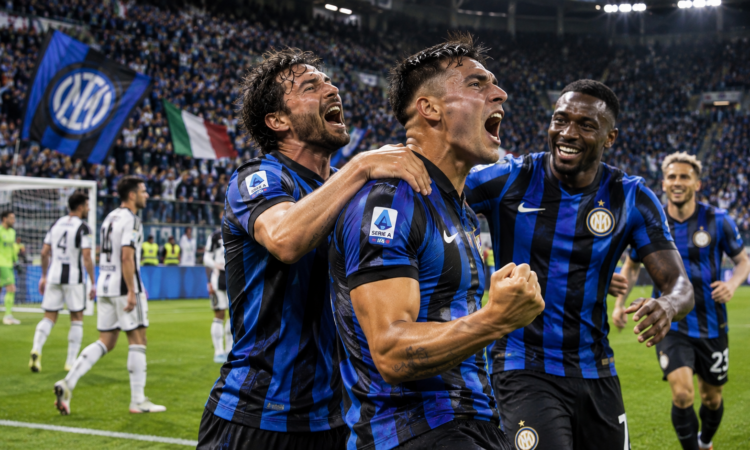
Italian football has a remarkable ability to turn an ordinary league fixture into an unforgettable sporting story. A match can begin with cautious exchanges, develop into a tense contest of patience and suddenly change through one moment of individual brilliance. A missed opportunity, a disputed decision or a substitution that transforms the attacking balance can alter everything. Choosing to watch Serie A full matches allows supporters to experience these developments as they unfold, rather than seeing only the goals and incidents selected for a short recap.
Serie A has always been a competition where context matters. The significance of a result often depends on what happened before it, what a club is trying to achieve and how the players respond to pressure. A victory against a direct rival may influence the atmosphere around a team for weeks, while a difficult away draw can become an important step in a longer campaign.
The complete match preserves these details. It gives viewers the opportunity to follow the emotional and sporting journey from the opening whistle to the final seconds, discovering the decisions and turning points that make Italian football so compelling.
Football as a Story of Changing Momentum
One of the most fascinating aspects of a full football match is the way its momentum can shift. A team may control the opening period, create several promising opportunities and appear close to scoring. Yet a single counterattack can change the atmosphere completely. Suddenly, the side that had been defending begins to take control, while its opponent must reconsider the original plan.
Serie A has produced countless encounters shaped by these changes. Italian teams are often praised for their ability to manage difficult situations, protect advantages and recognise when a match requires a different approach. However, the competition also contains open attacking contests in which the balance can change repeatedly.
Watching an entire fixture makes these developments easier to understand. The viewer can see whether a team becomes more cautious after taking the lead, whether its opponent increases the pressure and how players react when the original strategy stops working.
The emotional effect is important too. A stadium that begins the evening with confidence can become anxious after a missed penalty or an unexpected goal. Supporters respond to every opportunity, and the players must manage that atmosphere while continuing to make decisions under pressure.
A short highlights package captures the most visible incidents. The full match reveals how the story reached them.
The Long Season Behind Every Important Result
A football season is a connected sequence of events rather than a collection of isolated matches. Each result influences the atmosphere surrounding the next fixture, and the importance of an encounter can change as the campaign develops.
A team fighting for the title approaches a difficult away match differently from a side trying to secure a comfortable position in the table. A club recovering from several disappointing performances may treat a derby as an opportunity to restore confidence. For another, a match against a direct competitor could be essential to its ambitions for European qualification.
This context makes it rewarding to revisit fixtures from different stages of a season. An early victory may appear routine when viewed on its own, but it can become significant when considering how it influenced a team’s confidence. A disappointing draw may later prove to be a turning point in a campaign.
Complete match recordings also help supporters follow the development of a team over time. They can compare performances, notice changes in the starting formation and observe how new players gradually become important members of the squad.
Rather than judging a club through one result, viewers gain a broader understanding of its progress. That perspective is particularly valuable in a competition where consistency, squad depth and the ability to recover from setbacks can be just as important as individual brilliance.
The Human Side of Italian Football
Behind every tactical plan are players dealing with expectations, pressure and personal ambitions. Football is a collective sport, but individual experiences often give matches their emotional character.
A young player making a first appearance in a demanding away fixture faces a different challenge from an experienced captain leading the team through a difficult period. A forward returning after an injury may be eager to prove their value, while a goalkeeper facing a former club might experience an unusually emotional evening.
These personal stories are not always visible in highlights. A complete match provides a wider view of how players behave throughout the contest. It shows their reactions after mistakes, their communication with teammates and their ability to remain focused when circumstances become difficult.
Leadership is particularly interesting in this context. A captain may influence the team without scoring or producing a spectacular assist. Encouraging a teammate after a mistake, organising the defensive line or slowing the tempo during a difficult spell can make a meaningful difference.
The same applies to players who are not regular starters. A substitute entering during the final stages may have only a short time to influence the result. Their contribution can become decisive, but understanding its importance requires seeing the situation that existed before they came onto the pitch.
These human details give Italian football much of its lasting appeal. They remind viewers that every match is shaped by people as well as tactics.
Why the Underdog Story Remains So Compelling
Football’s unpredictability is one of its greatest attractions. Clubs with smaller budgets and less international recognition can still challenge established opponents through organisation, determination and intelligent preparation.
Serie A has a long tradition of unexpected results. A team that begins a match as the apparent underdog may frustrate a stronger opponent, defend with discipline and create danger through quick transitions. Sometimes the difference comes from a goalkeeper’s outstanding performance or a forward taking advantage of one rare opportunity.
These encounters can be more interesting than their pre-match expectations suggest. They demonstrate how preparation and collective commitment can influence the outcome even when the teams have very different resources.
Watching the full contest is especially important when appreciating an underdog performance. A final score may suggest a comfortable victory, but the complete match could reveal a difficult battle in which the winning side had to overcome sustained pressure. Conversely, a narrow defeat may show that a less-favoured team competed with confidence and discipline.
The smaller details often explain why an unexpected result happened. A defensive line may remain compact for long periods, midfielders may close passing lanes effectively and forwards may choose their moments carefully. These contributions deserve attention even when they do not produce spectacular highlights.
Italian Football’s Distinctive Approach to Match Management
Serie A has developed a reputation for coaches who pay close attention to the management of a game. This involves more than selecting a formation before kickoff. Managers must assess the opponent, recognise developing problems and decide when a tactical adjustment is necessary.
A team that begins with a three-player defensive structure may change its shape when the opposition introduces another forward. A midfielder may be asked to move closer to the defensive line, while a full-back receives greater freedom to support attacks. These changes can influence the entire match without immediately producing a goal.
The management of a lead is another important aspect. Some teams try to retain possession and reduce the opponent’s opportunities. Others continue attacking because they believe that defending too deeply would invite unnecessary pressure. There is no universal solution; the correct approach depends on the players available and the characteristics of the opposition.
A full match allows viewers to observe these decisions in context. It becomes easier to understand why a manager makes a substitution, changes the team’s pressing intensity or asks players to occupy different areas of the pitch.
This strategic dimension gives Serie A a particular appeal for viewers who enjoy examining how football decisions influence the result. It also demonstrates why a match should not be judged only by the final statistics.
Historic Clubs and the Memories They Carry
Italian football is closely connected with the histories of its clubs. Juventus, AC Milan, Inter, Roma, Napoli, Lazio, Fiorentina and many other teams have built identities through generations of players, coaches and supporters.
These histories are not preserved only in trophy cabinets. They live in memorable performances, historic derbies, dramatic title races and matches that supporters continue to discuss long after the final whistle.
Revisiting an older fixture can bring an important period back to life. A viewer might recognise a player who later became a club legend, rediscover a memorable partnership or see how a particular team approached the game during a different footballing era.
The experience can also reveal how the competition has changed. Older matches often reflect different tactical priorities, formations and physical demands. Modern encounters may feature more intense pressing, quicker transitions and greater positional flexibility. Comparing these periods helps explain the evolution of Italian football without losing sight of the traditions that continue to influence it.
For long-time supporters, historic matches offer a connection with personal memories. For newer audiences, they provide an introduction to the personalities and sporting events that shaped the competition.
The Difference Between Seeing a Goal and Understanding It
A goal is the most obvious way to influence a football match, but its significance often begins several moments before the finish. An attacking player may create space by drawing a defender away from the centre. A midfielder may recognise an opportunity to change the direction of play. A defender may make a small positioning error that gives the forward an advantage.
Highlights usually concentrate on the final action. They show the finish, the celebration and perhaps the immediate build-up. A full match provides the opportunity to understand the entire sequence.
The same principle applies to defensive moments. A spectacular save is memorable, but the goalkeeper’s positioning and communication may have prevented several other opportunities from developing. A successful tackle may be the final part of a coordinated defensive movement involving several players.
This wider perspective changes how supporters evaluate performances. It encourages attention to consistency, teamwork and decision-making rather than focusing exclusively on goals and assists.
It also makes familiar matches worth watching again. A second viewing can reveal details that were overlooked during the original broadcast, particularly when the viewer already knows the result and can concentrate on how it developed.
A More Complete Way to Follow the Competition
Modern supporters have different schedules and viewing habits. Not everyone can follow every fixture live, especially during busy periods when several important matches take place close together. Full-match recordings offer flexibility without requiring fans to abandon their interest in the competition.
Some viewers prefer to watch a complete game in one sitting. Others return to particular periods to examine a substitution, a controversial decision or a change in tactical approach. Both methods allow supporters to engage with football at their own pace.
It is also useful to distinguish complete matches from extended highlights and short summaries. Short clips provide a quick overview of the main incidents, while extended highlights offer additional passages of play. Neither format preserves every moment of the original contest. A full recording gives viewers the complete sequence and allows them to decide which details deserve attention.
For supporters who value the atmosphere, tactical development and human stories behind Italian football, this distinction matters. The complete match offers a more rounded experience than a selection of isolated incidents.
Every Final Whistle Leaves a Story Worth Revisiting
Serie A is built on contrasts: historic clubs and emerging teams, experienced leaders and young talents, careful defensive organisation and moments of attacking inspiration. These elements come together differently in every fixture, creating a competition that continues to produce memorable sporting stories.
The final score may determine the immediate outcome, but it does not always explain the full meaning of a match. The reasons behind a comeback, the decisions that protected a narrow advantage and the individual contributions that changed the atmosphere are all part of the experience.
Returning to a complete match makes those details visible. It allows supporters to rediscover important moments, understand the development of a team and appreciate the people behind the performance.
Italian football has never been only about the result. Its lasting appeal lies in the drama that develops along the way, and a full match preserves that drama from the opening whistle to the final celebration.