
A short photographic sequence can describe a car more clearly than a single dramatic picture. Three frames offer a useful structure: an establishing view, a closer study of the shape and a detail that gives the sequence character.
Read more
A short photographic sequence can describe a car more clearly than a single dramatic picture. Three frames offer a useful structure: an establishing view, a closer study of the shape and a detail that gives the sequence character.
Read more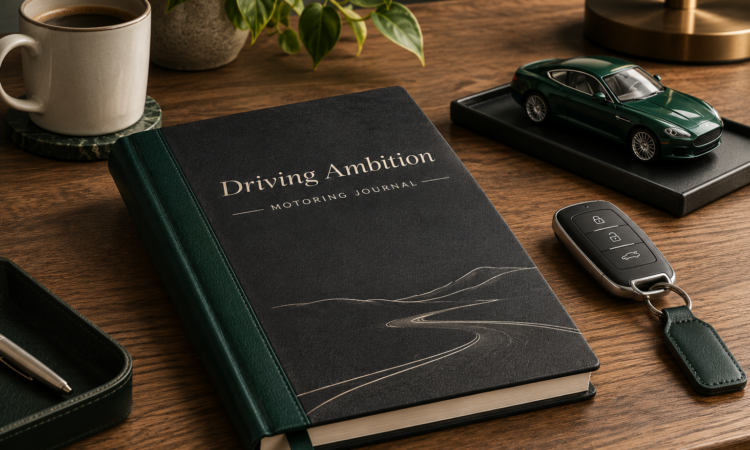
Ownership stories often focus on the day a car arrives and the day it leaves. The years between contain smaller details that are just as worth keeping: a familiar destination, a seasonal photograph or the first time a family member joined a favourite outing.
Read more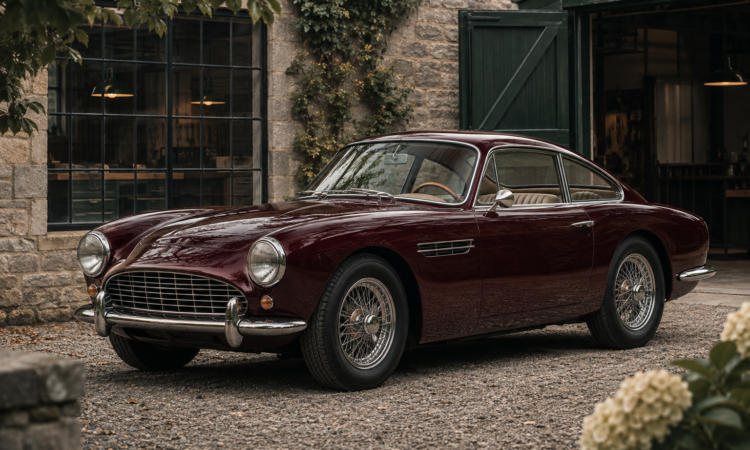
A classic car photograph gains meaning when its context stays with it. A handwritten caption may explain whether the image records a family holiday, a local gathering or simply a vehicle that caught the photographer’s eye. Without those details, a striking image can become difficult to place.
Read more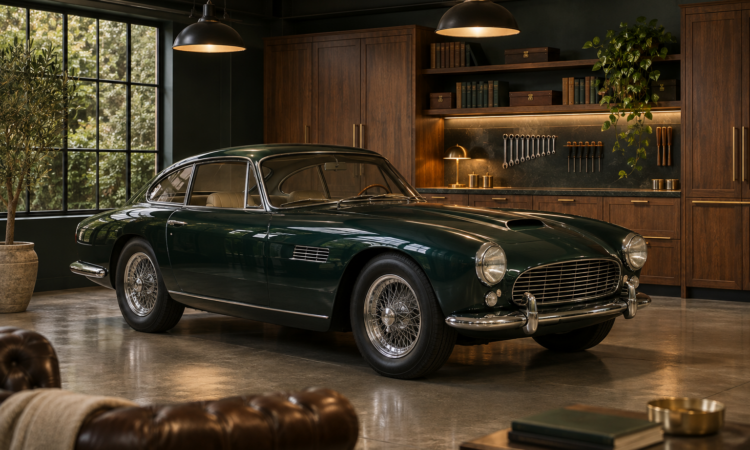
Model cars, event programmes and old photographs can tell a motoring story without filling every available surface. A restrained display gives each object a little breathing space and makes it easier for a visitor to understand what connects the collection.
Read more
A short motoring outing can become more enjoyable when it has one clear centre: a garden, a museum, a coastal town or a favourite lunch stop. Choosing that anchor first leaves room for a relaxed day rather than a list of places to rush between.
Read more
A memorable interior often comes down to a few repeated choices: the curve of an edge, the texture of a surface or the spacing around a control. Looking at these elements separately helps explain why two cabins with similar colours can create very different moods.
Read more
A car portrait becomes easier to read when the background supports the shape. A plain wall, a quiet architectural setting or a distant landscape can give the vehicle room in the frame. The strongest choice is often the simplest place where you are allowed to stop and photograph.
Read more
An ownership notebook provides a simple home for the details that are easy to forget. It can bring together dates, document references and questions for a qualified professional, while leaving technical decisions to the appropriate handbook and specialist advice.
Read more
An old car advertisement is a carefully constructed argument about what its audience should value. The picture, headline and setting work together to present an ideal. Reading it slowly can reveal more about the sales message than a quick glance at the illustrated vehicle.
Read more
A garage library need not be large to be useful. A handful of manuals, design books and carefully chosen magazines can create a reference corner that reflects your interests. The important step is deciding what belongs there and making it easy to find again.
Read more
A journey can leave behind more than a route on a screen. A small road journal captures the things that make one day different from another: a quiet square, the light across a hillside or a conversation over lunch. The best entries are usually selective rather than exhaustive.
Read more
A car makes an impression before its badge becomes readable. The relationship between wheels, roof and body gives the silhouette its character. For a useful design exercise, set aside performance figures and describe only what you can see: where the cabin sits, how the roof ends and how much visual weight rests above each wheel.
Read more